 |
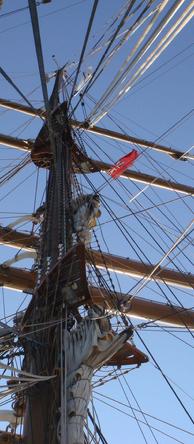
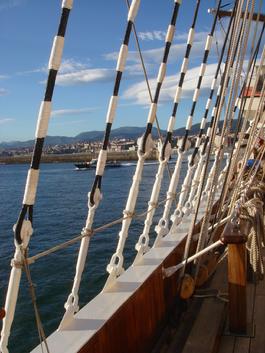
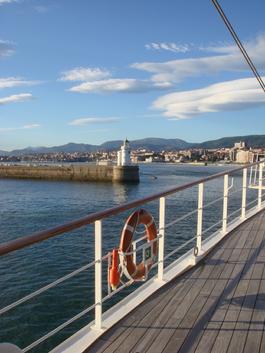
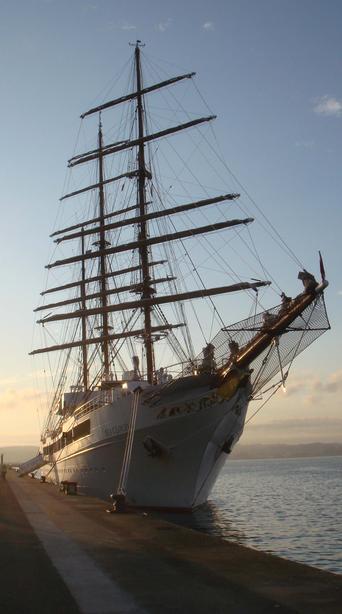
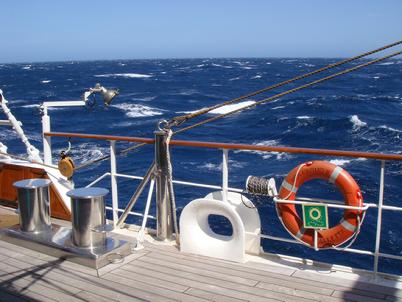
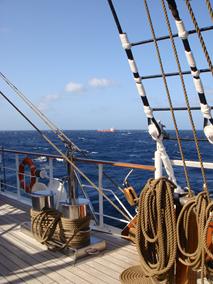
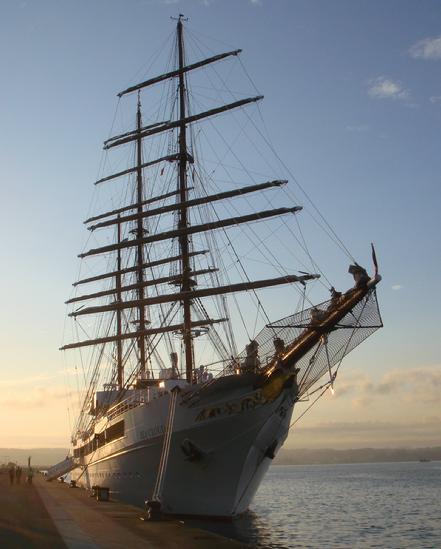
| Sea Cloud II - pictured here in the early morning light of Day 8 in the port of La Coruna. |
|
|
 |
| GoogleEarth Map noting planned ports and destinations |
|
|
________________________________________________________
DAY 1 - SATURDAY, 11 AUGUST 2007
UNITED KINGDOM - Chichester and Portsmouth
|
Our group started the day in two places... some in London... and some arriving that morning at Gatwick Airport. Many in the group in London had the day before, had the pleasure of a special private visit to the Soane Museum with a chat by Director Tim Knox and tour with Claudia Celder.
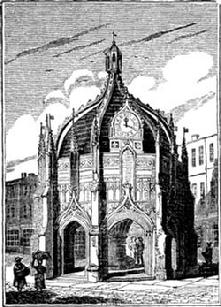
For those of us arriving at Gatwick, we headed due south to the coast and a pub lunch in the historic West Surrey town of Chichester. The Chichester Cross, illustation at right, dates from 1477 to 1503.
We then head to Postsmouth in County Hampshire in South East England to board our ship, Sea Cloud II.
| |
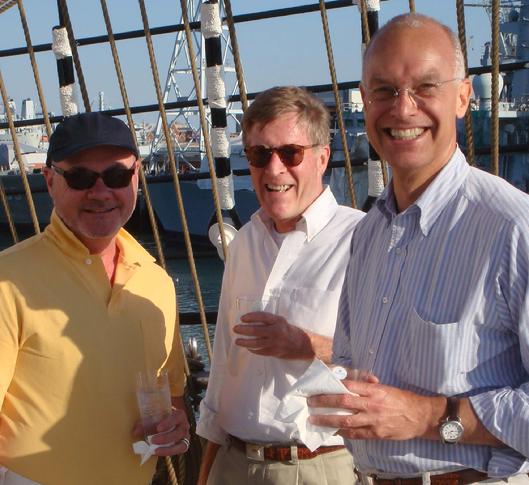 |
| Happy passengers on deck awaiting sailing... Birch Coffey, Nick Pentecost and Jay Jolly |
|
|
|
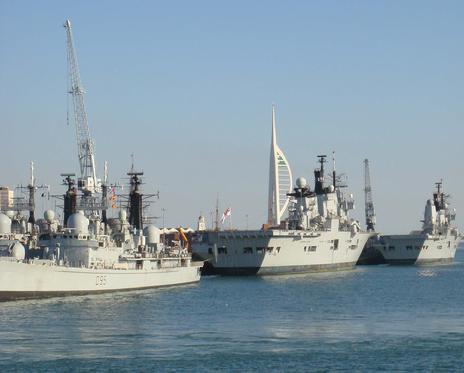 |
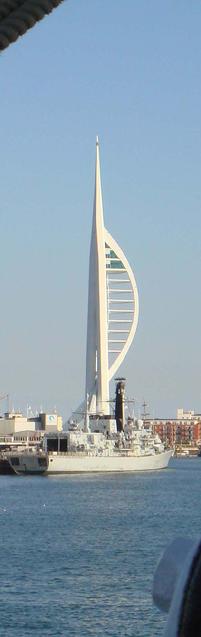
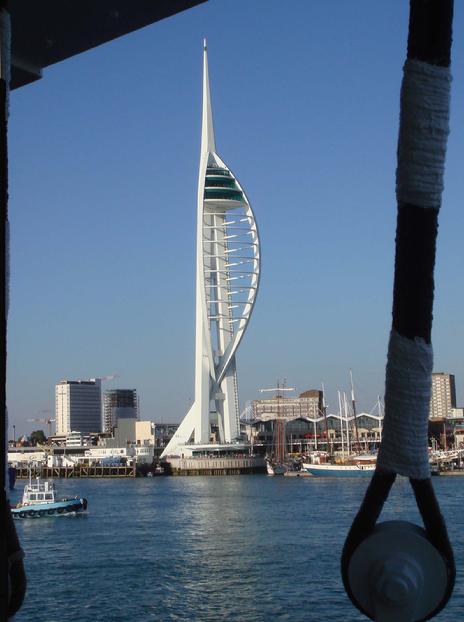
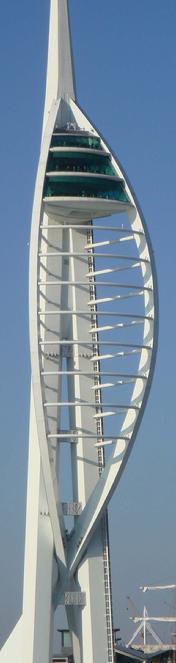
| Portsmouth is the largest naval port for the British Navy. The new millenium tower is seen in the distance. |
|
|
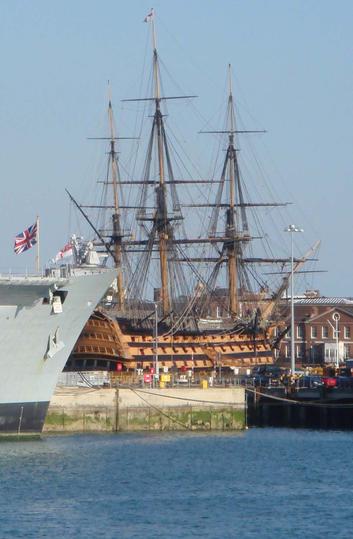 |
| HMS Victory, the famed warship of the Battle of Trafalgar, is seen between the modern warships. |
|
|
To read more about the plans of the trip, go to the Soane Travels site.
You can also view the PDF of the brochure.
And if you want more inforamtion on Sea Cloud II with deck plans and pictures, go to Sea Cloud Cruises.
|
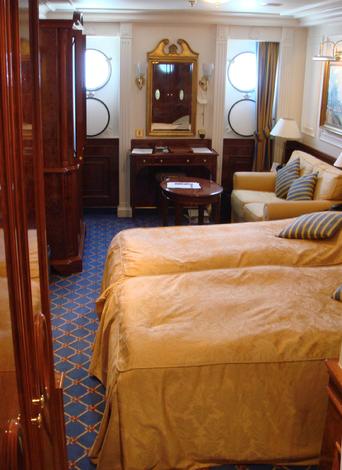 |
| Our cabin number 224 |
|
|
________________________________________________________
DAY 2 - SUNDAY, 12 AUGUST
FRANCE - St. Malo
|
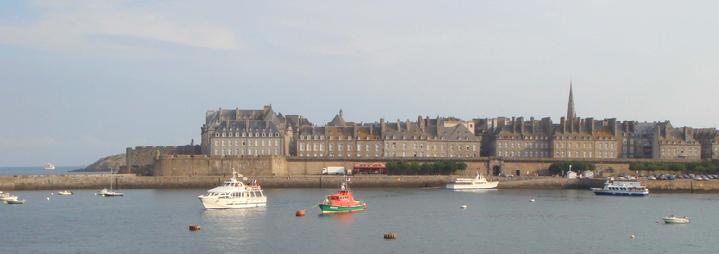 |
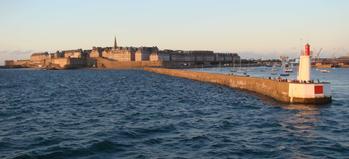
| Early morning light on the walled-city of St. Malo as we enter the harbor around 8am. |
|
|
|
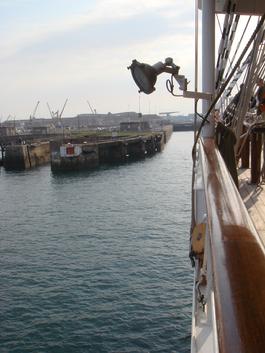 |
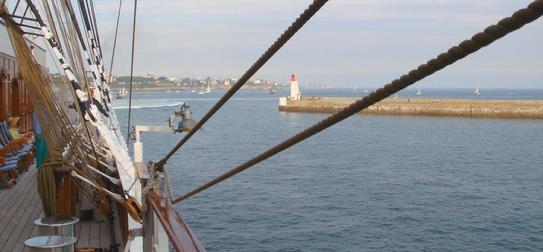
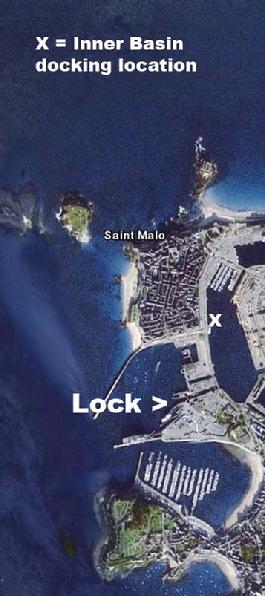
| Our bow heads into the lock - separating the sea from the inner basin of the St. Malo Harbor. |
|
|
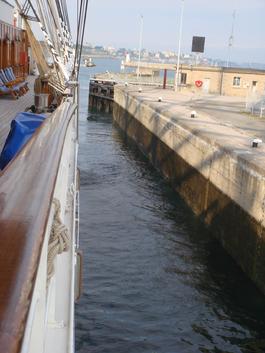 |
| Now in the lock, one can see to the rear as the lock gates begin to swing shut so that we can raise a few feet to then enter the inner basin. |
|
|
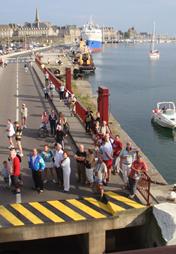 |
| Drawbridge up! Onlooking watching as we glide through the lock gates. |
|
| |
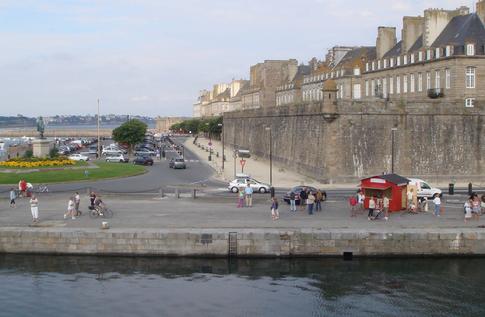 |
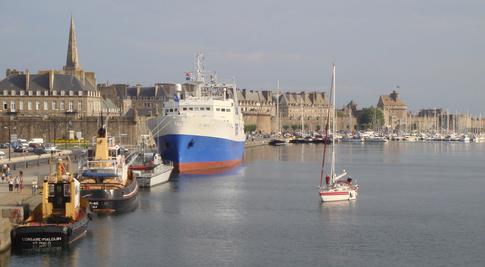
| Our berth... |
|
|
FRANCE - St. Malo
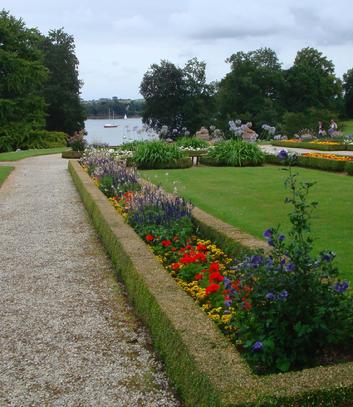
A beautiful morning and arrival into the historic port. One problem with a trip like this is that sometimes they offer you options of things to do... one option was to take a day-long trip to see Mont St. Michel, the other option was for a private visit with the owner of a historic house and garden. We chose the later, but not without pondering... however the garden visit was shorter which meant that we'd have a longer time to explore within the walled city of St. Malo.
|
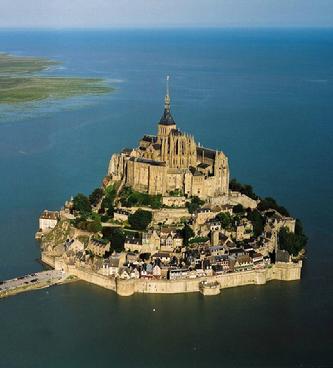 |
| PHOTO of Mont St. Michel (this photo is off a web site... sadly, we didn't do a fly by...) |
|
|
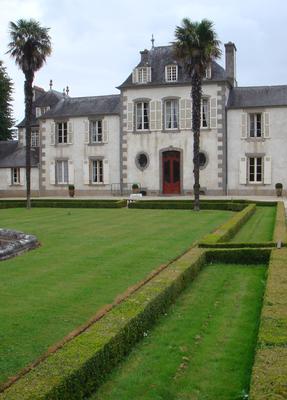 |
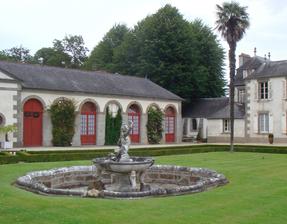
| The entry facade of Chateau de Montmarin. |
|
| |
|
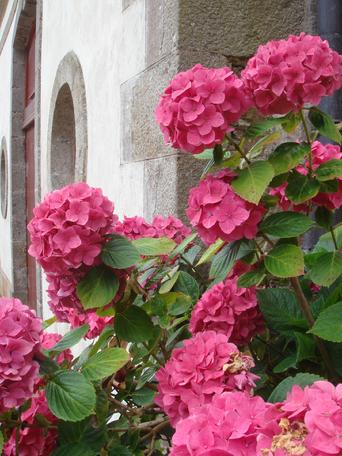 |
| Magnificent hydrangea blooming in the courtyard - including an unusual variety of the speckled pink on white. |
|
| |
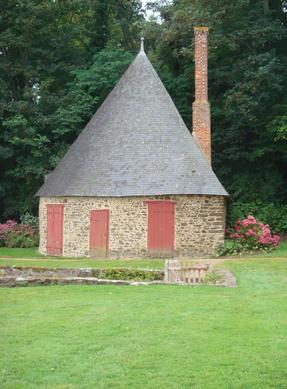 |
| This property in the earlier centuries was a center for boat building. This interesting small building was for rope making. |
|
| |
 |
| . |
|
|
|
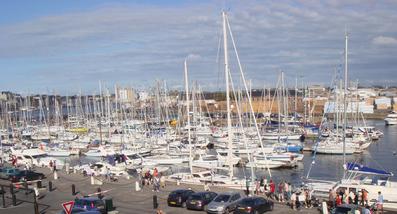 |
| A crowded marina in the northern end of the Inner Basin. |
|
|
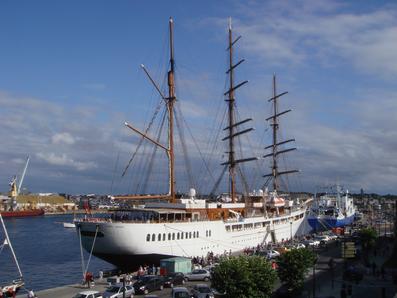 |
| A photo of Sea Cloud II taken from on top of the city walls. |
|
|
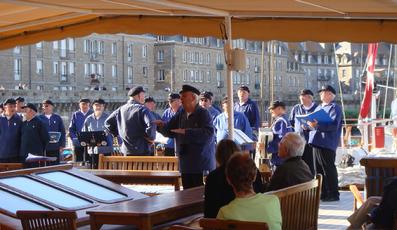 |
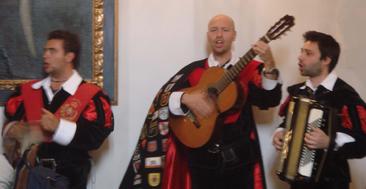
| Just prior to sailing that early evening, we had the treat of Les Corsaires Malouins doing traditional Breton sea shanties on the aft deck. |
|
|
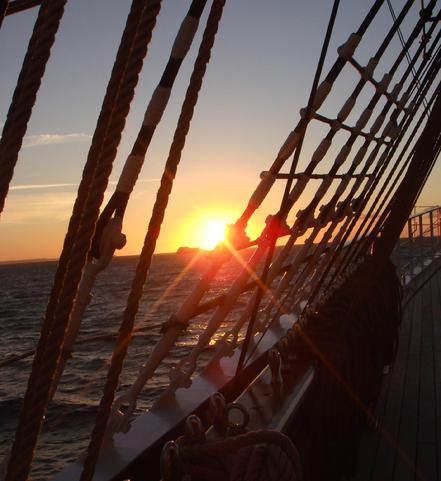 |
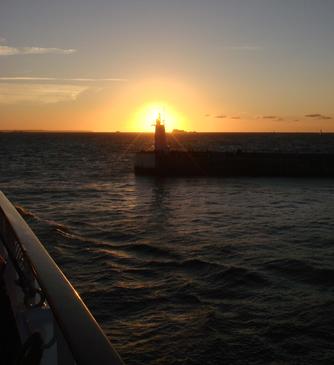
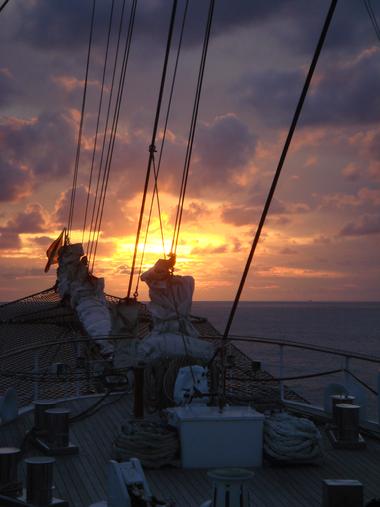
| A great sun set as we head out through the English Channel towards the Atlantic. |
|
|
|
|
________________________________________________________
DAY 3 - MONDAY, 13 AUGUST
At Sea
|
|
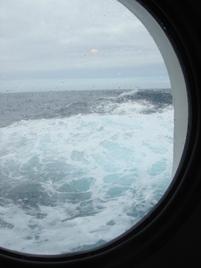
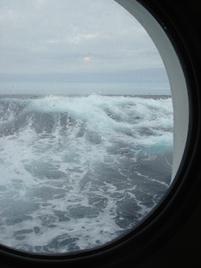
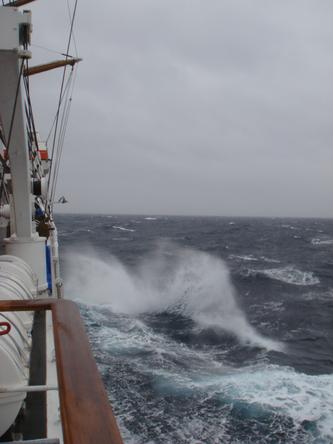
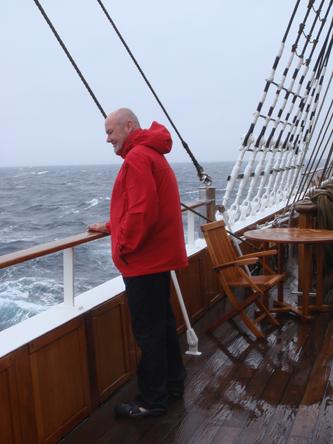
Our first of three planned days at sea during the course of the voyage. This was a overcast and mildly choppy day at sea as we sailed from St. Malo along the Breton coast and rounding the tip of France by Brest to head down to the island of Belle-Ile. Winds picked up later in the day and that night was to hit winds of Gale Force 8 - i.e. very rough seas in the open Atlantic Ocean.
|
|
|
________________________________________________________
DAY 4 - TUESDAY, 14 AUGUST
At Sea - The Bay of Biscay, Atlantic Ocean
|
|
FRANCE - Le Palais, Belle-Ile (port of call cancelled)
We awoke that morning to the news that due to the extremely rough seas (as experienced relentlessly all night long), we were not only skipping our morning stop at Belle-Ile but also the planned port call the next day at La Rochelle, France. This was due to the fact that in both ports the ship was to anchor off-shore and we would tender to the dock - but it would be too dangerous to do so in such rough sea conditions. Captain Richard "Reds" Shannon announced instead that he was heading full speed ahead through the Bay of Biscay to arrive in the port of Bilbao a day early and we could then enjoy not only being securely docked at a dock but an extra day in Spain.
|
|
|
________________________________________________________
DAY 5 - WEDNESDAY, 15 AUGUST
SPAIN - Gexto (the Port of Bilbao) and Eastwards to San Sebastian
|
|
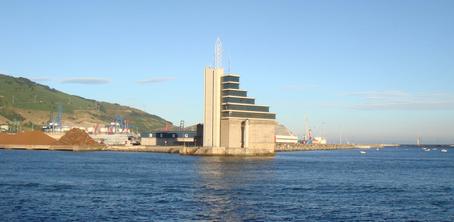 |
| What a glorious morning after gray wet days at sea. Here is the modern harbor entry adminstration building for the port of BILBAO, where will be dock at the town of Gexto. |
|
|
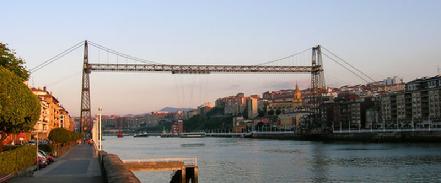 |
| While we could see the Vizcaya Bridge from our dock in port, and from the bus driving by... I didn't get a chance to actually visit this UNESCO World Heritage site. The Puente Colgante is the oldest transport bridge in the world - completed in 1893. The bridge is unusual as hanging from the high trusses is a gondola which carries people from one side to another - keeping everybody at street level. PHOTO - courtesy off Wikipedia. |
|
|
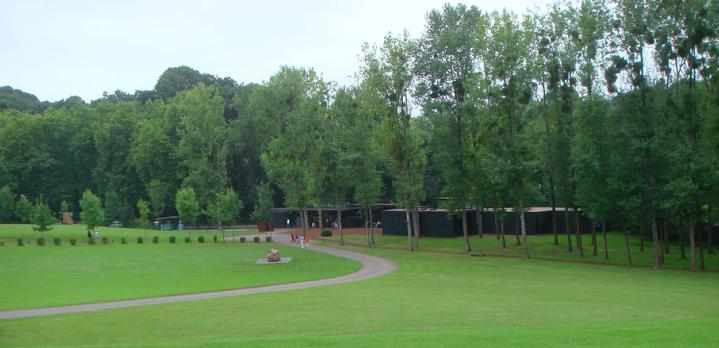 |
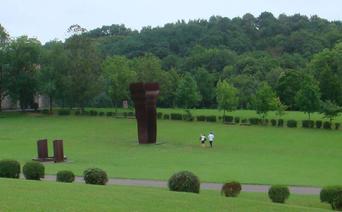
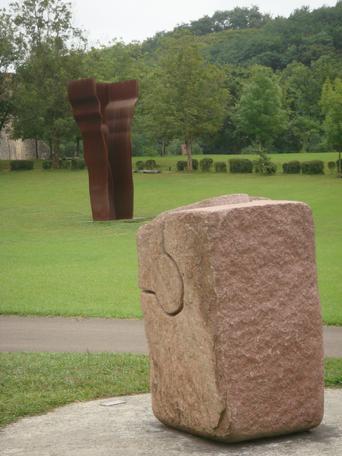
| The visitors center pavilion of the MUSEO CHILLIDA LEKU outside of San Sebastian, Spain. The property of artist Eduardo Chillda is now run by a private foundation to permenantly display his works. You can also note the moss balls growing up in the trees. |
|
|
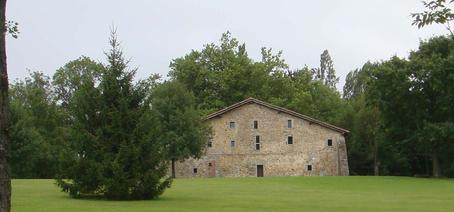 |
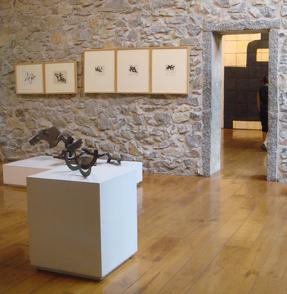
| Eduardo Chillida smaller works are exhibited in the Zabalaga Farm building. |
|
|
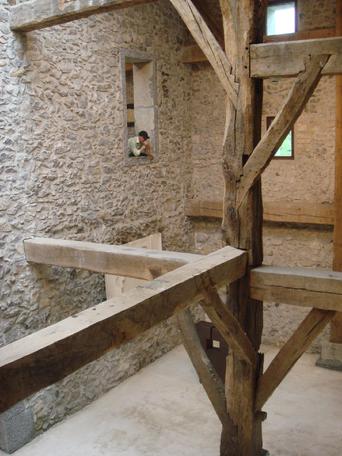 |
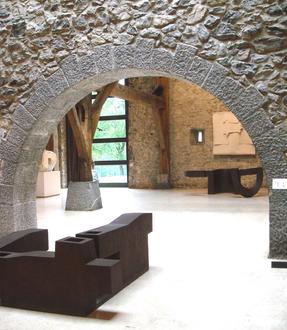
| The interior of the old farm building has been totally opened up to create several huge spaces. |
|
| |
|
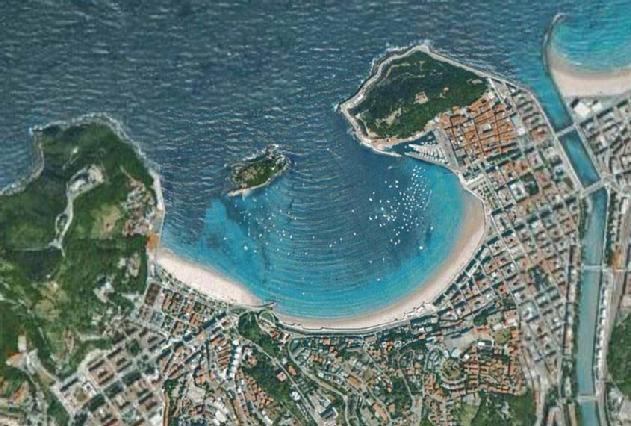 |
| Somehow... and I don't know why or how... I didn't take one single photograph of one of the prettiest spots we visited = San Sebastian. A charming 19th Century city on a secluded bay which was once a favorite spot for visiting Royals. |
|
|
|
|
________________________________________________________
DAY 6 - THURSDAY, 16 AUGUST
SPAIN - Bilbao
|
|
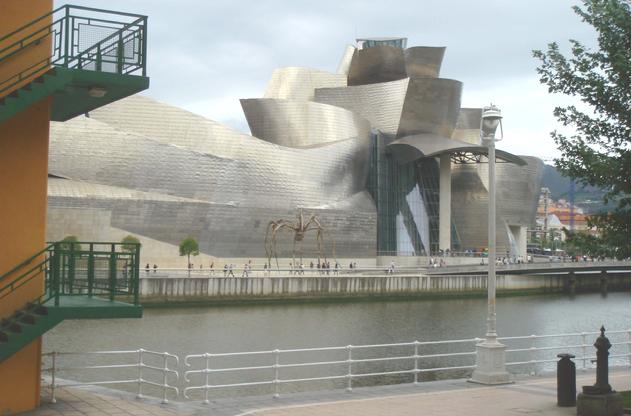 |
| A quick pic taken as the bus was moving along the river... |
|
|
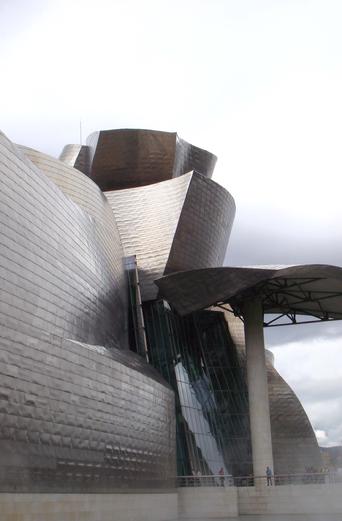 |
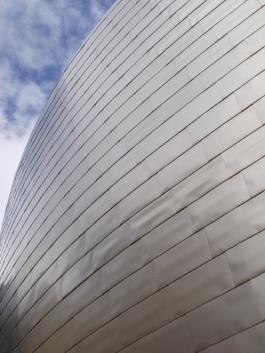
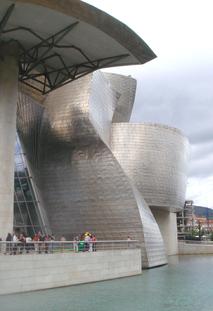
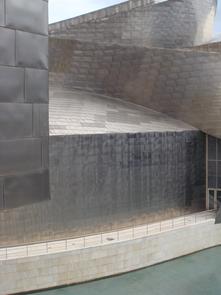
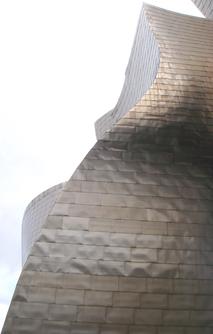
| Bits of sun and mixed gray skies enhance the beauty and drama of the titanium used on the Guggenheim. |
|
| |
|
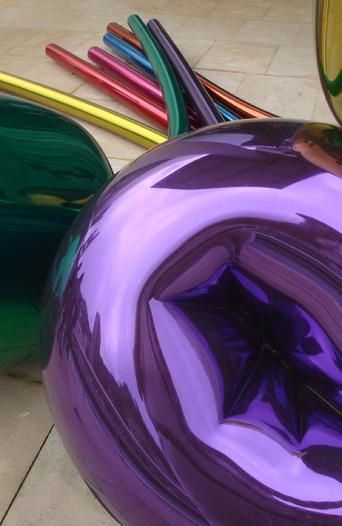 |
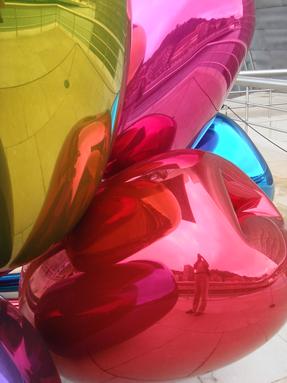
| Tulips - by Jeff Koons |
|
| |
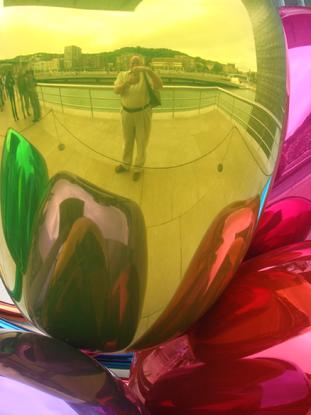 |
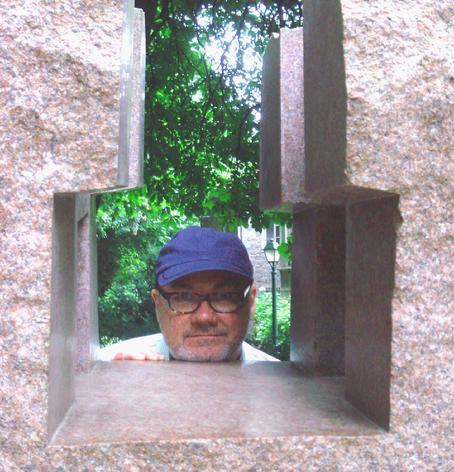
| The photographer captured! |
|
|
 |
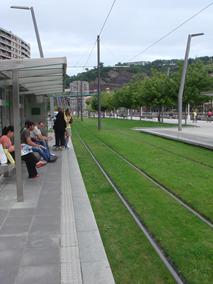
| Bilbao is a vibrant and interesting town. A new tram runs along a truly green grassy pathway along the riverfront for fast and easy access. |
|
|
|
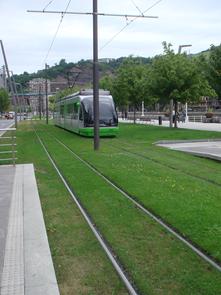 |
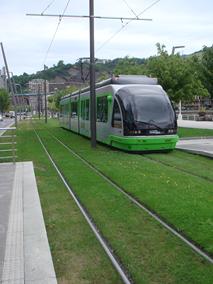
| The Eusko Tram running on a greenway along the river. |
|
| |
|
|
________________________________________________________
DAY 7 - FRIDAY, 17 AUGUST
At Sea
|
|
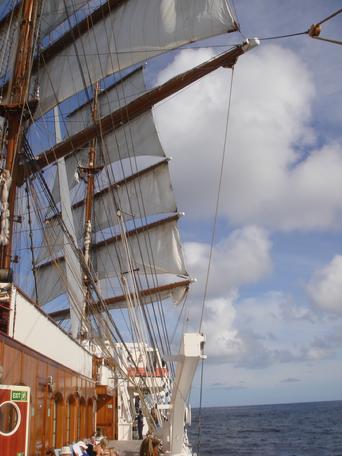 |
| A beautiful day at sea... |
|
| |
|
|
| Our 9 days aboard Sea Cloud II were enlightened by a variety of speakers and demonstrations. Pictured below are just three of the speakers, David Levin, Emily Rafferty and John Meffert.
Not pictured are: Maryan Ainsworth, Curator of North Renaissance Paintings at the Metropolitan Musuem of Art, provided amazing lectures throughout; Eric Chavot, Master Chef at London's Capital Hotel, offered three cooking demonstrations and then created one of the dinners aboard (with the help of the Sea Cloud II team); Joao Pires, Capital Hotel Wine Director, offered a Champagne tasting.
|
|
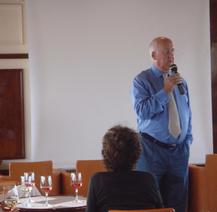 |
| David Levin - hosting a wine tasting from his own vineyard in France - Levin Wines. |
|
|
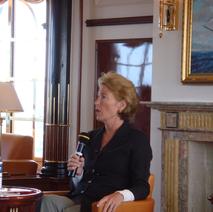 |
| Emily Rafferty, President of the Metropolitan Museum of Art, talks about the complexies of running a museum like the Met. |
|
|
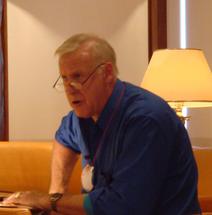 |
| John Meffert lectured throughout the trip. John was aboard representing the National Trust for Historic Preservation. |
|
|
David's LEVIN WINES have now become available in New York at Crush on East 57th Street.
|
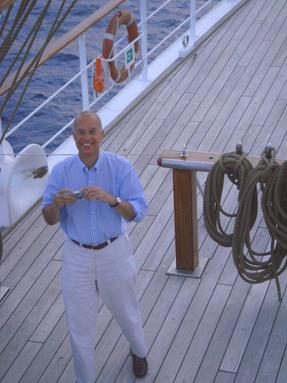 |
| Jay Jolly capturing a sunset shot. |
|
| |
|
|
________________________________________________________
DAY 8 - SATURDAY, 18 AUGUST
SPAIN - The port city of La Coruna and inland to Santiago de Compostela
|
|
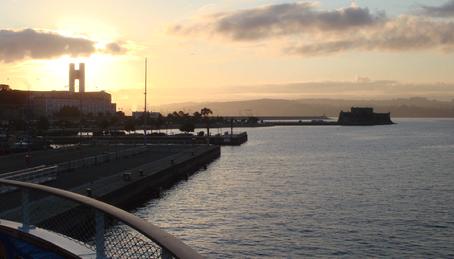 |
| Morning light as seen from the stern of Sea Cloud II looking towards the harbor fort, the Castillo de San Anton. The tall modern towers are part of the port control facility. |
|
|
|
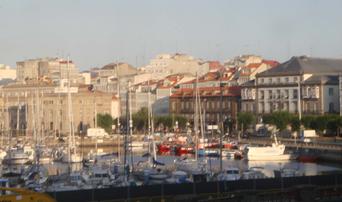 |
| The innner harbor filled with sail boats. |
|
|
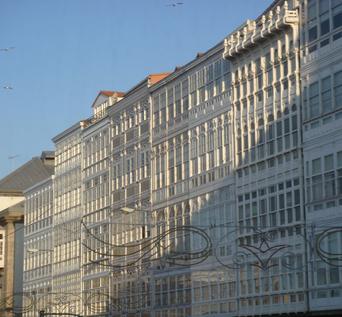 |
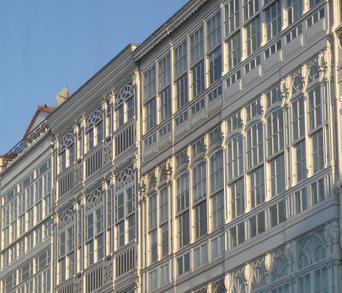
| Along the waterfront, many of the historic buildings have a unique window wall configuration which is absolutely beautiful. |
|
|
|
|
Torre de Hercules (Tower of...) - This lighthouse, standing 185 tall, was originally constructed in the 2nd Century AD by the Romans, with renovations in the 18th Century. It is the oldest existant Roman lighthouse in the world.
(note this photo was taken through a bus window and thus the shadow image of one of our travelers ears...)
|
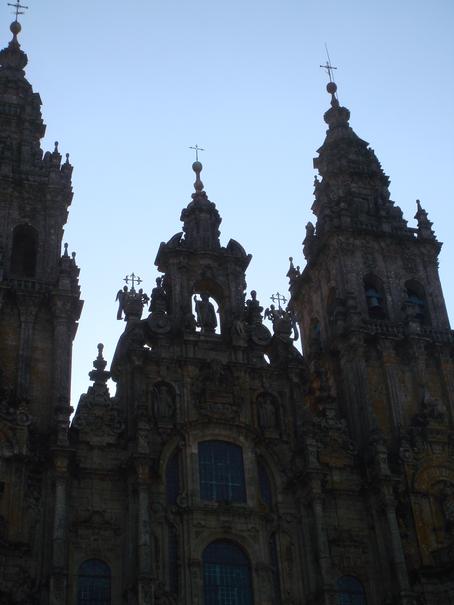 |
| A dramatic shot against the morning light, the 12th Century Cathedral of Santiago de Compostela - famed pilgrimage site of the Catholic faith. |
|
|
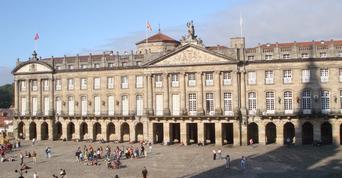 |
| Climbing the steps to the cathedral entry portal gives a wonderful view over the main square. Here is the principal municipal building. |
|
|
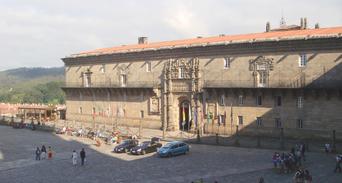 |
| Also flanking the great plaza is the Parador (Hotel) de los Reyes Catolicos, a late 15th Century palace, now converted to a five-star hotel where will we later be having lunch. |
|
|
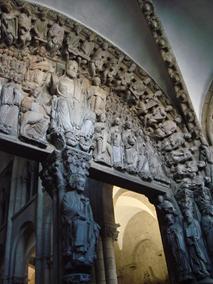 |
| The famed entry Romanque portal of the cathedral has been preserved within the construction of the later Baroque facade. |
|
|
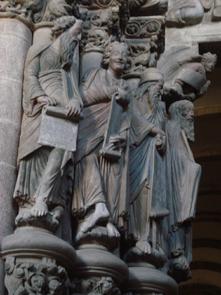 |
| Close up of some of the carved figures. |
|
|
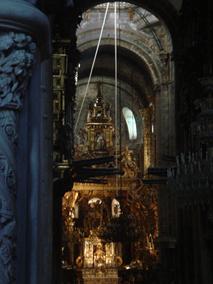 |
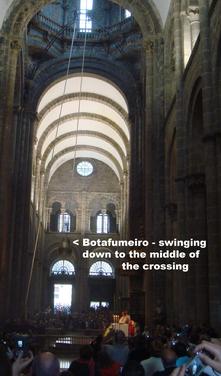
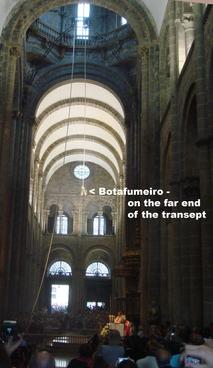
| A view down the nave. Note the ropes hanging in the crossing... more on those below. |
|
|
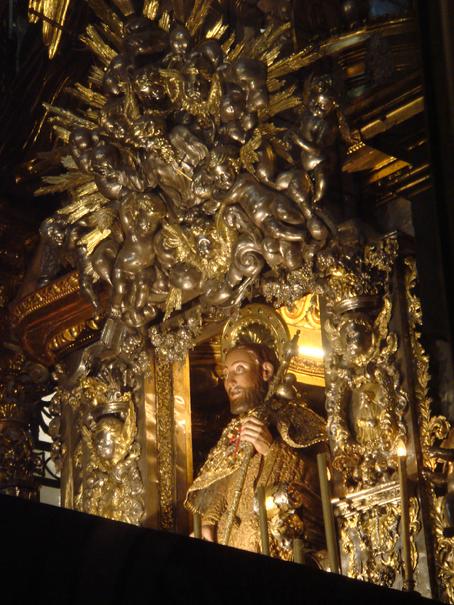 |
| The shrine of St. James |
|
|
One special treat we had in store was a special ceremony had been sponsored via Academic Arrangements Aboard and the Metropolitan Museum of Art. Details below are from Wikipdia:
The Botafumeiro is a famous thurible found in the Santiago de Compostela Cathedral. Incense is burned in this swinging metal container, or "incensory". The name "Botafumeiro" means "smoke expeller".
There is a dome on the roof of the church containing the pulley mechanism from which the "Botafumeiro" is suspended. The current pulley mechanism was installed in 1604.
The present Botafumeiro is made of an alloy of brass and bronze and is plated by a very thin 20 micrometre layer of silver. The current Botafumeiro was created by the gold and silversmith José Losada in 1851. It has a golden sheen.
The Santiago de Compostela Botafumeiro is the largest censer in the world, weighing 80 kg and measuring 1.60 m in height. It is normally on exhibition in the library of the cathedral, but during certain important religious occasions it is brought to the floor of the cathedral and attached to ropes hung from the pulley mechanism.
There is another large thurible used in the other masses carried out in the cathedral, called "La Alcachofa" (literally, "The Artichoke"). La Alcachofa is a silver-colored metal censer. It was created in 1971 by the sacred art artisans working under the craftsman Luis Molina Acedo.
The ropes typically last about 20 years before they have to be replaced. However, recently a thicker rope than usual was used, and the extra rubbing produced premature wear of the rope. Therefore, this thicker rope had to be replaced sooner than had been expected, in 2004. The ropes are woven from esparto, and are made in Vigo, Spain.
Shovels are used to fill the Botafumeiro, or the Alcachofa, with about 40 kg of charcoal and incense. The thurible is tied to the rope with elaborate knots. The censer is pushed initially to start its motion. Eight red-robed tiraboleiros pull the ropes, producing increasingly large oscillations of the censer. The turible's swings almost reach the ceiling of the transept. The incensory can reach speeds of 68 km/h as it dispenses thick clouds of incense.
|
|
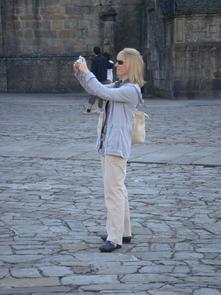 |
| Liz Irwin snapping a shot... |
|
|
 |
| A wonderful tower silhouetted. |
|
|
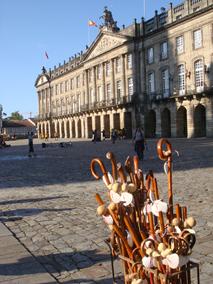 |
| In the main plaza, a vendor sells walking sticks adored with shells - the traditional sign of completing the pilgrimage to the coast just beyond Santiago. |
|
|
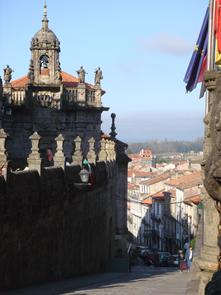 |
| A stone street leads down off the main plaza with a small church/chapel on the left. |
|
|
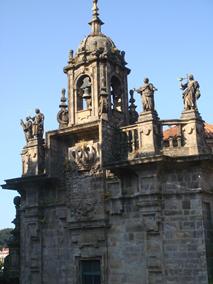 |
| A closer view of the nearby church/chapel. |
|
|
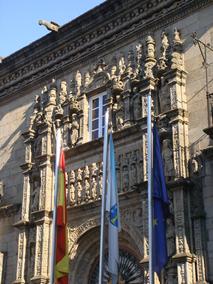 |
| Ornate entry portal to the Parador (Hotel) de los Reyes Catolicos. |
|
|
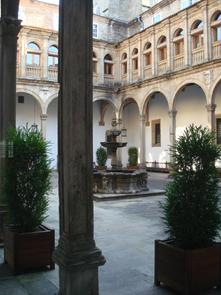 |
| One of the two interior courtyards of the hotel. |
|
|
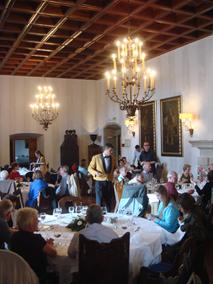 |
| A private room for a festive group lunch. |
|
|
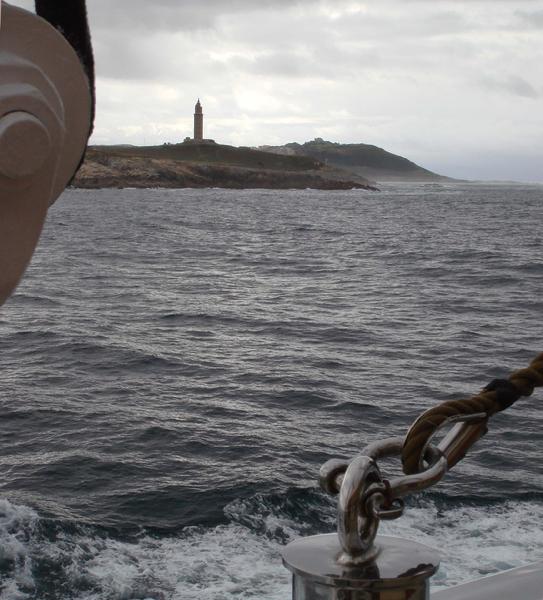 |
| Back out to sea again... and into the stormy Atlantic - again. View of the Torre de Hercules. |
|
|
|
|
________________________________________________________
DAY 9 - SUNDAY, 19 AUGUST
At Sea - Sailing the Atlantic down the Coast of Portugal
|
|
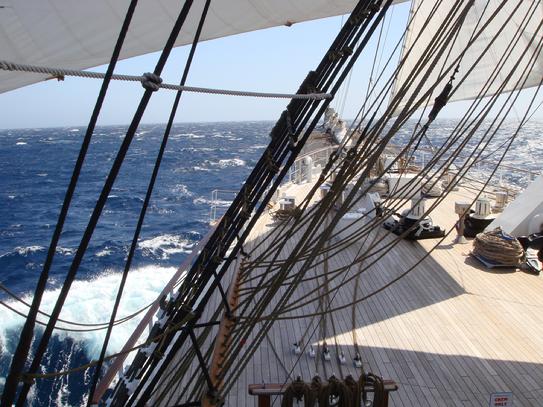 |
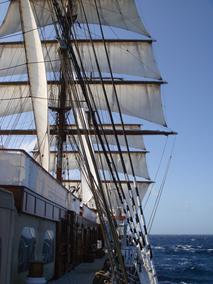
| A view towards the bow. |
|
|
|
|
________________________________________________________
DAY 10 - MONDAY, 20 AUGUST
PORTUGAL - Arrival to Lisbon - Disembarking for a 2-night stay at the Four Seasons Ritz.
|
|
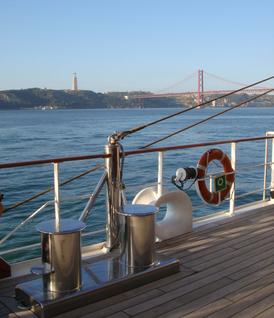 |
| One of our last moments on deck with a view across the Tagus River towards Almada and the great statue of Cristo Rei (Christ the King) and the "25 April" Bridge (modeled on the Golden Gate Bridge of San Francisco). |
|
|
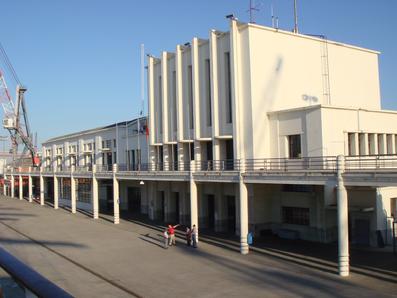 |
| The mid-20th Century Ocean Terminal at the Alcântara docks. |
|
|
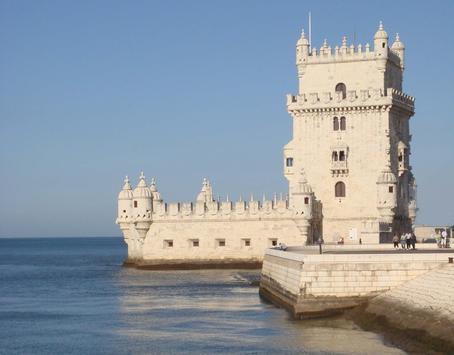 |
| Belém Tower, built in the 1510s and a symbol of the Age of Discovery. |
|
|
|
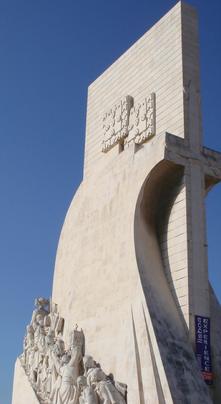 |
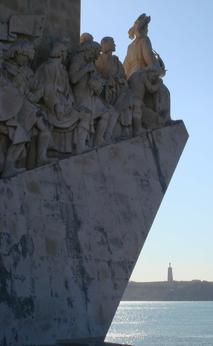
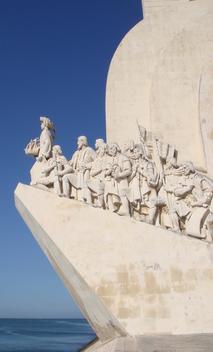
| Padrao dos Descobrimentos, commemorating Portugal's glory days of sea-discovery |
|
| |
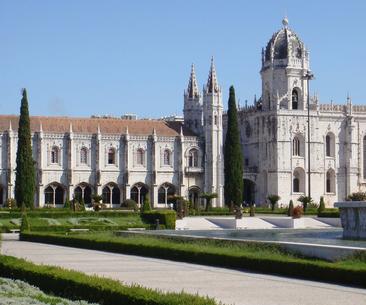 |
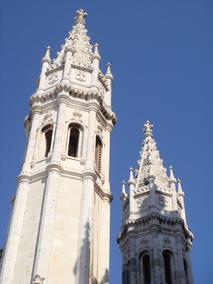
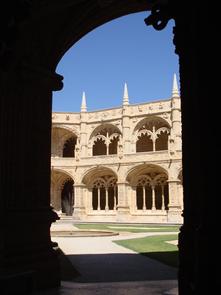
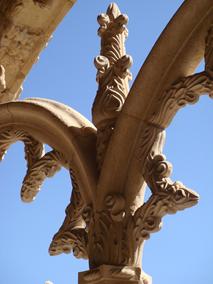
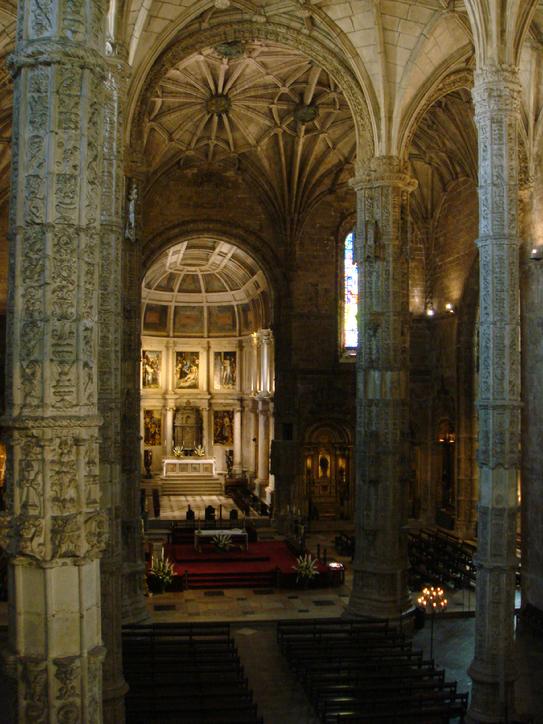
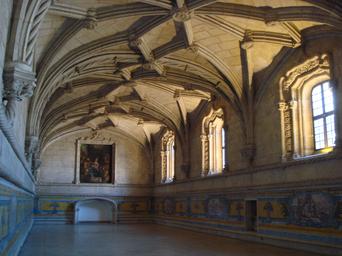
| A partial view of the huge Monastery of Jeronimos. |
|
|
|
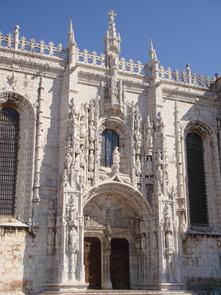 |
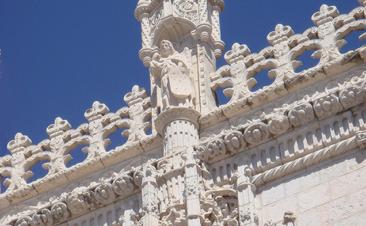
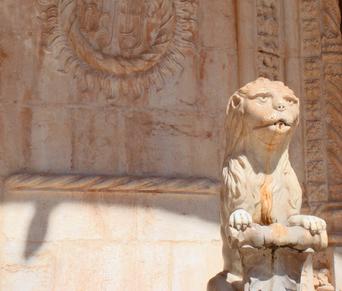
| The Royal Entry Portal. |
|
| |
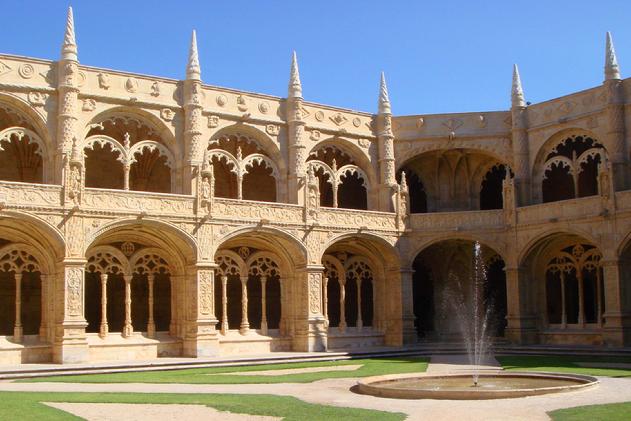 |
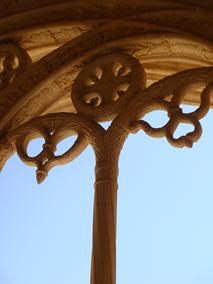
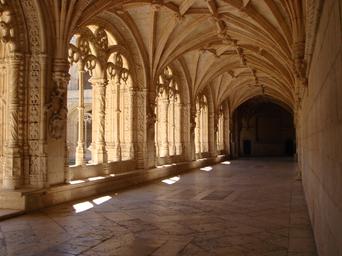
| Contrasting to the brilliant white exteriors, the interior courtyard uses warm golden stone. |
|
|
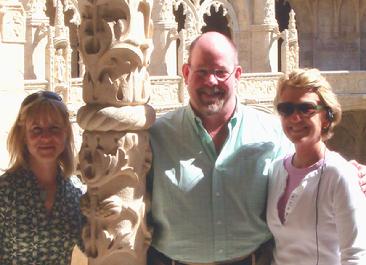 |
| Liz Irwin - Chas Miller - Emily Rafferty |
|
|
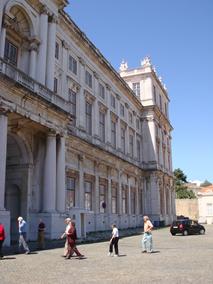 |
| Once the Royal Palace, now the Museu do Palácio Nacional da Ajuda. |
|
| |
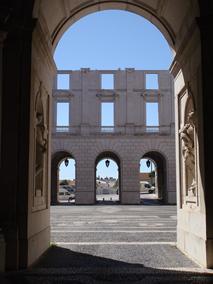 |
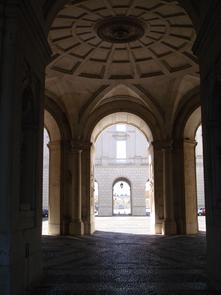
| Only a fraction of the palace was ever completed - the one courtyard was only built out on three sides. |
|
|
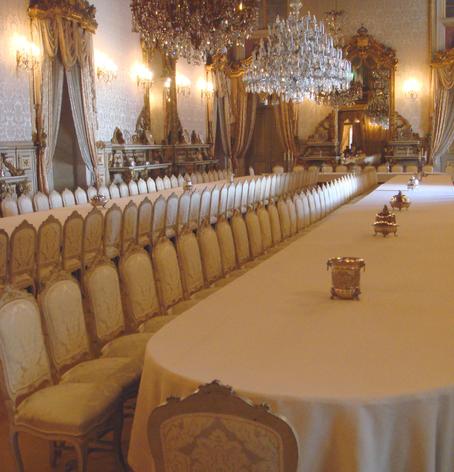 |
| Only in a palace can you find a dining table like this... |
|
|
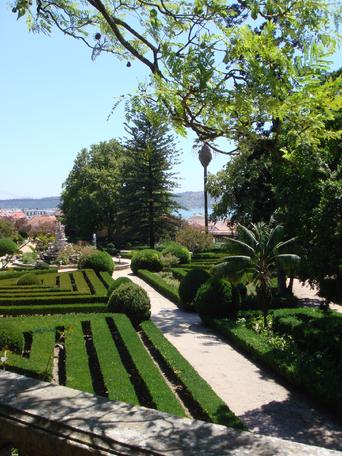 |
| Once part of the Royal Palace complex - it is now separated as the palace was never completed. |
|
| |
|
|
________________________________________________________
DAY 11 - TUESDAY, 21 AUGUST
PORTUGAL - Lisbon
|
|
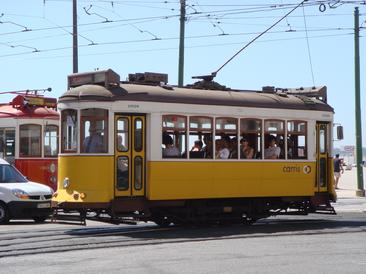 |
| Trams - originally introduced in the 19th century, the trams were originally imported from the U.S. and called americanos. |
|
|
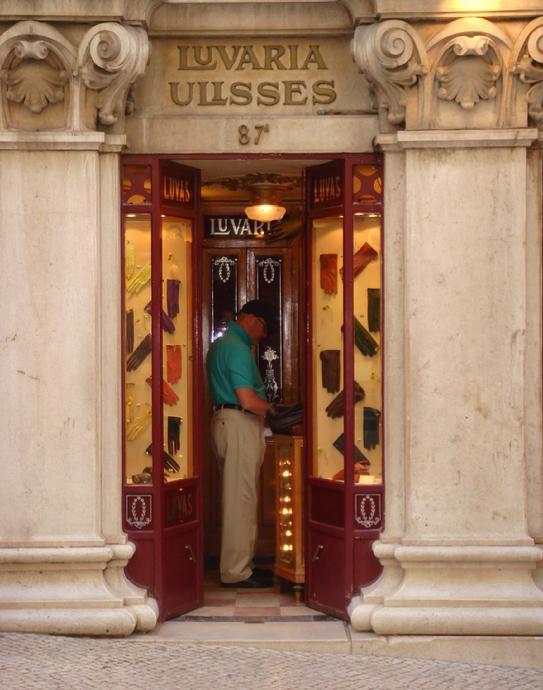 |
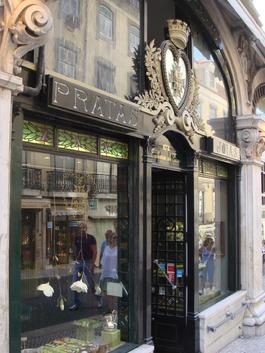
| Birch standing fully in the shop - one of the smallest we've ever seen. Luvaria Ulisses, Rua do Carmo 87A - specializes in handmade leather gloves. |
|
|
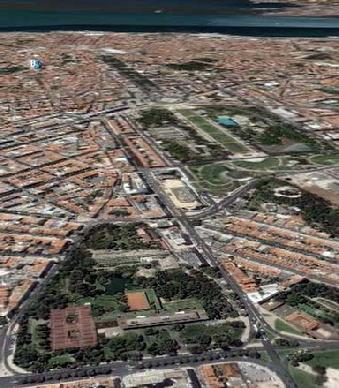 |
| The Gulbenkian is seen in the foreground with the Edward VII Park upwards to the right, and the Tagus River in the distance. |
|
| One of the final great treats of the trip was the private visit to the CALOUSTE GULBENKIAN MUSEUM. This small Museum set in a park setting houses an amazing and far reaching collection. Academic Arrangements with the Met had also made special arrangements for us to enjoy cocktails on the deck overlooking the park with the Deputy Director fo the Museum. More info: Calouste Gulbenkian Museum
via Wikipedia on the Gulbenkian
|
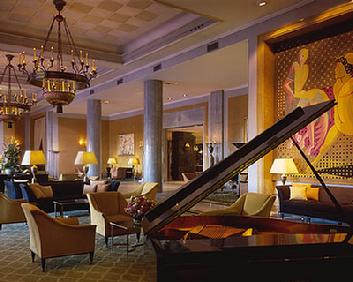
One of the most gracious hotels I've ever stayed in was the Four Seasons Ritz. Built in the 1950's or early 1960's, all the hotel spaces are grand and large including the corridors and our guest room which was huge. Photo above from the Four Seasons Hotel web site.
|
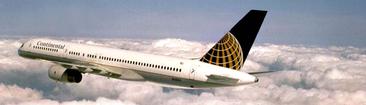 |
| In the travel made easy world - Continental flies two daily non-stops to and from Lisbon . . . so heading back to the USA couldn't have been nicer. |
|
|
__________________________________________________________
Trip organized by
|
_________________________________________________
NEW NEWS: 12 September 2007
Academic Arrangements Abroad announces that Sea Cloud Cruises is building a new sailing ship to join the original SEA CLOUD and newer sister SEA CLOUD II. The new ship is due in the autumn 2009 and will be named SEA CLOUD HUSSAR. This name combines the two names of the original... see below.
|
A BIT OF BACKGROUND ON THE FAMED NAMES: HUSSAR V | SEA CLOUD
The launching in 1931 of HUSSAR V from the Germania boat yard in Kiel, Germany for its proud new owners, Wall Street tycoon E. F. Hutton and his wife, cereal heiress Marjorie Merriweather Post Hutton.
This spectacular, 356-foot-long (counting the bowsprit), four-masted barque was unique even for a time when such American aristocrats as the Astors and Vanderbilts also were building palatial yachts. Displaying 32,000 square feet of canvas when under full sail and more than 10-1/2 miles of rope in her rigging, the Huttons furnished her with museum-quality antiques and the best of everything, making sure that she was equipped with 4 eight cylinder state-of-the-art engines with an output of 6,000 H.P. and a compartmentalized hull found only on the most advanced ships-of-war of the time. E. F. Hutton was a high-tech businessman for his day. Among his innovations was the first trans-continental telegraph outside the public domain (outside Western Union.) It included a private line from his offices in San Francisco and Oakland to his office in New York--which gave him a life-saving advantage when the stock market crashed. Another unprecedented installation on HUSSAR V was an enormous food freezer below deck, evolved from the innovative new concept of frozen foods pioneered by the Birdseye division of Marjorie's General Foods. It enabled the ship to sail for many months without reprovisioning, and, to this day, makes possible the impressively varied haute cuisine served on board concocted from rare ingredients free of seasonal constraints.
Some years later the Huttons divorced. One theory puts the cause of the split on the fact that E.F. was a staunch Republican and Marjorie supported Franklin D. Roosevelt. Be that as it may, Marjorie Merriweather Post rechristened the ship SEA CLOUD, and for a time, spent six months out of every year sailing the seven seas with daughter, Nedina Hutton (better known as actress Dina Merrill). At the time, this was a very private ship. With a crew of 72 to serve them, Marjorie and Dina and, at most six guests, sailed from the Galapagos to Alaska to Montecarlo to any place their fancies took them.
By 1935, Marjorie had found a new husband in Joseph Davies, an advisor to FDR and, in 1937, the new U.S. ambassador to the Stalinist Soviet Union. Spaso House, the official residence of the embassy, was stuffed with hidden listening devices, so the Davies solved this annoying spying by declaring SEA CLOUD as the United States' floating embassy to the Soviets. Loaded with delicacies in her freezers and often resupplied on trips to New York. SEA CLOUD was a popular embassy with the proletariat officials. Later, when the U.S. entered World War II, SEA CLOUD was rented (for $1 per year) to the Coast Guard and saw service in the North Atlantic as a U-Boat spotter and weather ship. This was followed over a couple of decades by ownership in 1953 by Dominican Republic dictator and international playboy Rafael Trujillo, a time as a hands-on oceanic classroom, and a 1975 attempt to purchase her by Ross Perot. In 1979 it was purchased and restored as the proud flagship of the Hansa Cruise Company, an entity of the German investment company, Hansa Treuhand.
|
|